Buy tasdir.eu ?
We are moving the project
tasdir.eu .
Are you interested in purchasing the domain
tasdir.eu ?
domain@kv-gmbh.de · 0541-91531010
Buy tasdir.eu ?
Which Japanese clothing sizes correspond to German sizes?
In general, Japanese clothing sizes are smaller than German sizes. For example, a Japanese size M is equivalent to a German size S. Therefore, if you typically wear a size M in Japan, you would need to look for a size S when shopping for clothes in Germany. It's important to note that sizing can vary between different brands and styles, so it's always best to refer to the specific size charts provided by the retailer. **
What are clothing sizes?
Clothing sizes are standardized measurements used to categorize the fit of clothing items. They typically include a combination of letters (such as XS, S, M, L, XL) and numbers (such as 2, 4, 6, 8) to indicate the size of the garment. These sizes are based on body measurements such as chest, waist, and hip circumference, and are used to help consumers find the best-fitting clothing items. However, it's important to note that clothing sizes can vary between different brands and countries, so it's always best to refer to specific size charts and measurements when shopping for clothes. **

Similar search terms for Sizes
Top-Angebote
Products related to Sizes:
-
Carhartt Insite Footbeds - Mens 11 Brown Footwear Accessories*Engineered footbed with Insite Technology to align foot in the most natural position. Pulsion Rebound Foam is engineered for anti-fatigue rebound action. Tetrapod anti-fatigue technology distributes foot compression in multiple directions. Import ...29,99 $*Shipping: 6,95 $Secure redirect to the provider


-
Why do clothing sizes vary?
Clothing sizes vary due to differences in sizing standards across brands and countries. Each brand may have its own unique sizing chart based on their target demographic and fit preferences. Additionally, factors such as fabric stretchiness, design, and production methods can also influence the sizing of a garment. As a result, it is important for consumers to try on clothing and refer to size charts to find the best fit for their body type. **
-
How do the clothing sizes fit?
The clothing sizes generally fit true to size, but it is always recommended to check the specific size chart provided by the brand or retailer. Some brands may have slightly different sizing standards, so it is important to refer to their guidelines for the best fit. Additionally, reading customer reviews or reaching out to customer service for sizing advice can also be helpful in determining the right size to order. **
-
Why are clothing sizes so strange?
Clothing sizes can be strange because they are not standardized across brands and countries. Each brand may have its own sizing chart, leading to inconsistencies in measurements. Additionally, the fashion industry often uses vanity sizing, where sizes are adjusted to make customers feel better about themselves, further complicating the sizing system. Lastly, body shapes and proportions vary widely among individuals, making it challenging to create a one-size-fits-all system. **
-
How do I convert clothing sizes?
To convert clothing sizes, you can use a size conversion chart that compares sizes from different countries or regions. You can also use a measuring tape to measure your body and then compare those measurements to the size chart provided by the brand or retailer. Keep in mind that sizes can vary between brands, so it's important to refer to the specific brand's size chart for the most accurate conversion. If you're shopping online, many websites also provide a size conversion tool to help you find the right size. **

Which German clothing sizes correspond to the Australian children's sizes 1 and 4?
In Germany, children's clothing size 1 corresponds to the German size 80, which is suitable for babies around 12 months old. Children's clothing size 4 in Australia is equivalent to the German size 104, which is suitable for children around 3-4 years old. It's important to note that clothing sizes can vary between brands, so it's always best to refer to the specific brand's size chart for the most accurate fit. **
Why are the clothing sizes so strange?
Clothing sizes can seem strange because they are not standardized across brands and countries. Each brand may have its own sizing chart based on their target demographic and fit preferences. Additionally, vanity sizing, where sizes are adjusted to make customers feel better about themselves, can further complicate the issue. It's important for consumers to try on clothing and pay attention to specific measurements rather than relying solely on the size label. **
Top-Angebote
Products related to Sizes:
-
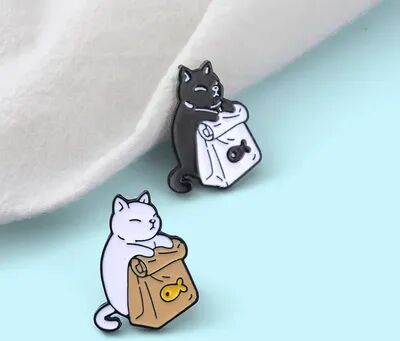
Discount Dollar Deals Cute Black White Cat Brooch Charming Cartoon Lapel Pin, Animal Jewelry Gift For Clothing And Backpack Accessories Cute Black White Cat Brooch Charming Cartoon Lapel Pin, Animal Jewelry Gift For Clothing And Backpack AccessoriesAdd a touch of whimsy to your outfits with the Cute Black & White Cat Brooch. This charming lapel pin features a playful cartoon design that brings personality and flair to any piece of clothing. Perfect for cat lovers or anyone who enjoys unique,...27,97 $*Shipping: 0,00 $Secure redirect to the provider
-
Carhartt Insite Footbeds - Mens 11 Brown Footwear Accessories*Engineered footbed with Insite Technology to align foot in the most natural position. Pulsion Rebound Foam is engineered for anti-fatigue rebound action. Tetrapod anti-fatigue technology distributes foot compression in multiple directions. Import ...29,99 $*Shipping: 6,95 $Secure redirect to the provider
-
Which Japanese clothing sizes correspond to German sizes?
In general, Japanese clothing sizes are smaller than German sizes. For example, a Japanese size M is equivalent to a German size S. Therefore, if you typically wear a size M in Japan, you would need to look for a size S when shopping for clothes in Germany. It's important to note that sizing can vary between different brands and styles, so it's always best to refer to the specific size charts provided by the retailer. **
-
What are clothing sizes?
Clothing sizes are standardized measurements used to categorize the fit of clothing items. They typically include a combination of letters (such as XS, S, M, L, XL) and numbers (such as 2, 4, 6, 8) to indicate the size of the garment. These sizes are based on body measurements such as chest, waist, and hip circumference, and are used to help consumers find the best-fitting clothing items. However, it's important to note that clothing sizes can vary between different brands and countries, so it's always best to refer to specific size charts and measurements when shopping for clothes. **
-
Why do clothing sizes vary?
Clothing sizes vary due to differences in sizing standards across brands and countries. Each brand may have its own unique sizing chart based on their target demographic and fit preferences. Additionally, factors such as fabric stretchiness, design, and production methods can also influence the sizing of a garment. As a result, it is important for consumers to try on clothing and refer to size charts to find the best fit for their body type. **
-
How do the clothing sizes fit?
The clothing sizes generally fit true to size, but it is always recommended to check the specific size chart provided by the brand or retailer. Some brands may have slightly different sizing standards, so it is important to refer to their guidelines for the best fit. Additionally, reading customer reviews or reaching out to customer service for sizing advice can also be helpful in determining the right size to order. **
Similar search terms for Sizes
-
Why are clothing sizes so strange?
Clothing sizes can be strange because they are not standardized across brands and countries. Each brand may have its own sizing chart, leading to inconsistencies in measurements. Additionally, the fashion industry often uses vanity sizing, where sizes are adjusted to make customers feel better about themselves, further complicating the sizing system. Lastly, body shapes and proportions vary widely among individuals, making it challenging to create a one-size-fits-all system. **
-
How do I convert clothing sizes?
To convert clothing sizes, you can use a size conversion chart that compares sizes from different countries or regions. You can also use a measuring tape to measure your body and then compare those measurements to the size chart provided by the brand or retailer. Keep in mind that sizes can vary between brands, so it's important to refer to the specific brand's size chart for the most accurate conversion. If you're shopping online, many websites also provide a size conversion tool to help you find the right size. **
-
Which German clothing sizes correspond to the Australian children's sizes 1 and 4?
In Germany, children's clothing size 1 corresponds to the German size 80, which is suitable for babies around 12 months old. Children's clothing size 4 in Australia is equivalent to the German size 104, which is suitable for children around 3-4 years old. It's important to note that clothing sizes can vary between brands, so it's always best to refer to the specific brand's size chart for the most accurate fit. **
-
Why are the clothing sizes so strange?
Clothing sizes can seem strange because they are not standardized across brands and countries. Each brand may have its own sizing chart based on their target demographic and fit preferences. Additionally, vanity sizing, where sizes are adjusted to make customers feel better about themselves, can further complicate the issue. It's important for consumers to try on clothing and pay attention to specific measurements rather than relying solely on the size label. **
* All prices are inclusive of VAT and, if applicable, plus shipping costs. The offer information is based on the details provided by the respective shop and is updated through automated processes. Real-time updates do not occur, so deviations can occur in individual cases. ** Note: Parts of this content were created by AI.